Designing a small office can feel like solving a puzzle with too many constraints. Limited square footage, growing teams, tight budgets. Denver startups deal with all of it at once. The good news? A smaller space doesn’t have to limit productivity. In fact, when intentionally designed, it can improve focus, collaboration, and efficiency. The key is making every inch count without sacrificing comfort or flexibility.
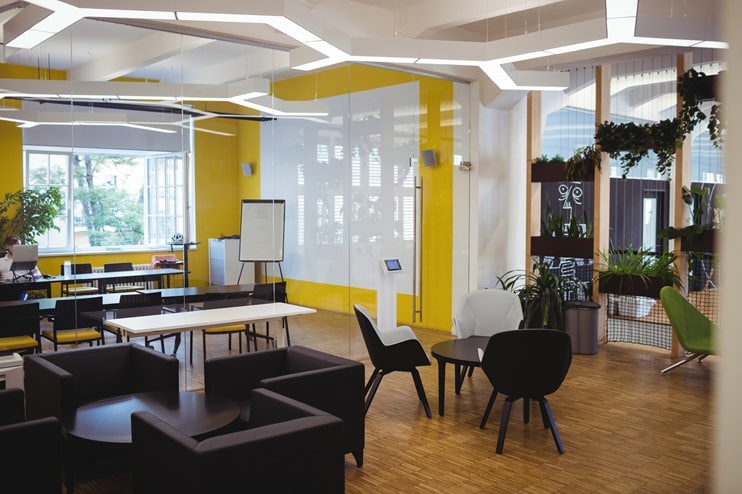
Start With a Layout That Matches Your Workflow
One of the most common questions founders ask online is: “Should we go open office or private?” The honest answer is, it depends on how your team works.
If your startup thrives on collaboration, an open layout might make sense. But if your work requires deep focus (like coding or design), too much openness can quickly become a distraction.
Instead of choosing one extreme, consider a hybrid setup. Use compact desk clusters and a few quiet corners or small meeting pods. This mirrors insights from How to Choose the Right Open Office Panel System for Your Team’s Workflow, where flexibility is often more valuable than rigid design.
Use Vertical Space Like a Pro
When square footage is limited, your walls become your best asset. Many small offices overlook vertical storage, which leads to cluttered desks and cramped walkways.
Wall-mounted shelves, tall cabinets, and hanging organizers can dramatically increase storage without taking up floor space. This strategy aligns with ideas in Smart Storage Solutions: Maximizing Space Without Sacrificing Style, where maximizing unused space is key to maintaining a clean, functional environment.
A clear workspace isn’t just about aesthetics, it directly impacts how efficiently your team operates.
Choose Multi-Functional Furniture
Startups often assume they need separate furniture for every purpose. In reality, that approach quickly eats up space.
Instead, look for pieces that serve multiple functions:
a. Desks with built-in storage
b. Benching systems for shared workspaces
c. Ottomans or seating with hidden compartments
This approach not only saves space but also reduces costs. It’s a practical solution often overlooked in discussions like 5 Office Furniture Buying Mistakes Denver Businesses Make, where overbuying is a common issue.
Small offices benefit from doing more with less.
Prioritize Ergonomics (Even in Tight Spaces)
There’s a misconception that ergonomic furniture is only for large corporate offices. In reality, it’s even more important in smaller spaces where employees spend long hours in close quarters.
Poor posture, uncomfortable chairs, and improper desk heights can quickly lead to fatigue and decreased productivity.
Investing in the basics adjustable chairs, proper desk heights, and even compact standing desks can make a significant difference. Insights from 5 Ways Office Chairs Impact Productivity & How to Choose the Right One highlight how seating alone can influence daily performance.
Comfort isn’t a luxury, it’s a productivity tool.
Create the Illusion of Space
Small offices don’t have to feel cramped. With the right design choices, you can make a space feel larger than it actually is.
Here’s how:
a. Use lighter color palettes.
b. Incorporate glass partitions instead of solid walls.
c. Keep pathways clear and uncluttered.
d. Use mirrors strategically to reflect light.
These subtle adjustments can completely change how a space feels without requiring major renovations.
Add Flexible Collaboration Areas
Another common concern from startup teams is the lack of meeting space. Not every discussion needs a full conference room but without designated areas, conversations end up happening at desks, causing distractions.
A simple solution is to create flexible collaboration zones:
a. A small round table in a corner
b. A lounge-style seating area
c. Even a high-top table with stools
This concept connects well with ideas from Cafe & Bar Stool Seating: How to Blend Casual and Professional, where informal setups encourage quick, productive conversations without taking up much space.
Think Long-Term, Even in a Small Space
It’s tempting to design your office based only on your current team size. But startups grow fast and outgrowing your layout too quickly can be disruptive.
Choose modular furniture and layouts that can evolve with your team. This is where working with an office furniture company in Denver becomes valuable, as they often provide scalable solutions tailored to growing businesses.
Planning ahead saves both time and money down the line.
Don’t Ignore Employee Well-Being
Small offices can sometimes feel intense, especially when teams are working under pressure. That’s why incorporating elements that support well-being is essential.
Even simple additions can help:
a. Access to natural light
b. A small relaxation corner
c. Plants to improve air quality and mood
The impact of the environment on morale is explored in The Psychology of Office Design: How Furniture Impacts Employee Morale, where thoughtful design choices can boost engagement and reduce burnout.
A healthier space leads to a more resilient team.
Keep Technology Seamless and Organized
Messy cables and poorly placed equipment can make a small office feel chaotic. When space is limited, organization becomes even more critical.
Focus on:
a. Cable management systems
b. Easily accessible power outlets
c. Compact, integrated tech setups
These details are often overlooked but play a huge role in daily efficiency.
Avoid Overdesigning the Space
One mistake that frequently comes up in Quora discussions is trying to “overdesign” a small office adding too many elements, styles, or features.
The result? A cluttered, overwhelming environment.
Instead, keep things simple. Focus on functionality first, then gradually layer in design elements. Clean, minimal layouts tend to perform better in small spaces.
Final Thoughts
Designing a small office for a startup isn’t about squeezing everything in it’s about making intentional choices that support how your team works today while preparing for tomorrow. From flexible furniture to smart storage and thoughtful zoning, every decision should serve a purpose. When done right, even the smallest office can feel efficient, comfortable, and inspiring. Businesses that take the time to strategically design their space often see improvements not just in productivity but also in team satisfaction. That’s the kind of impact thoughtful planning and the expertise of teams like Interior Concepts can bring to a growing workspace.