Designing an office layout for a growing team is more than just arranging desks and chairs. It’s about creating an environment that evolves with your people, supports productivity, and reflects how your team actually works. Many businesses underestimate how much layout affects communication, efficiency, and even employee retention until problems start to surface. If you’re scaling your team, now is the time to rethink how your workspace functions on a daily basis.
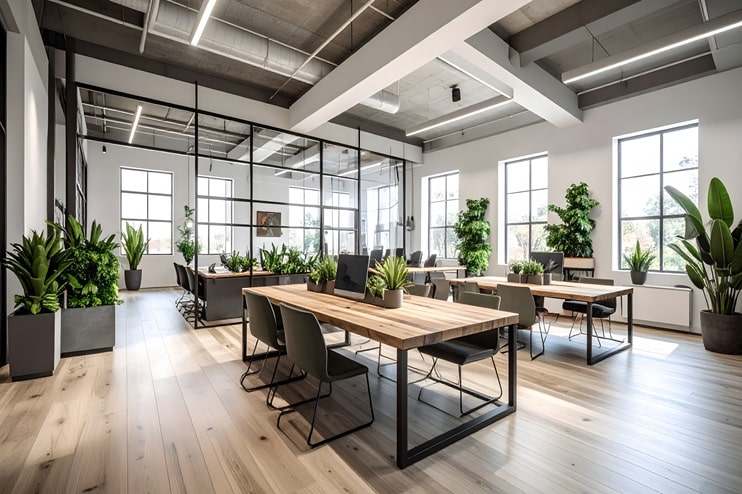
Start With How Your Team Actually Works
One of the biggest mistakes companies make is designing an office based on trends instead of real workflows. Open layouts, for example, can look modern but often create noise issues if not planned properly.
A good starting point is to observe your team’s habits:
a. Do they collaborate frequently, or do they need focused quiet time?
b. Are meetings spontaneous or scheduled?
c. How often do employees move around?
These insights help you avoid common pitfalls discussed in 5 Office Furniture Buying Mistakes Denver Businesses Make, where businesses often prioritize aesthetics over usability.
Design should always follow behavior, not the other way around.
Create Zones Instead of a One-Size-Fits-All Space
Growing teams rarely function well in a single-type layout. Instead, dividing the office into functional zones helps support different work styles.
Consider including:
a. Collaboration zones for team discussions
b. Quiet areas for focused work
c. Lounge spaces for informal conversations
d. Dedicated meeting rooms
This concept aligns with the strategies outlined in Furniture Solutions for Efficient Conference Rooms: A Complete Guide for 2025, which explain that thoughtful zoning improves both productivity and space utilization.
Employees shouldn’t have to fight the environment to get work done.
Invest in Ergonomics Early
As teams grow, health-related issues can quickly become a hidden cost. Poor seating, improper desk heights, and limited movement options often lead to fatigue and discomfort.
Many employees don’t immediately complain, but productivity slowly drops.
Incorporating ergonomic solutions from the start can prevent this. Insights from 5 Ways Ergonomic Office Furniture Helps Prevent Workplace Injuries show how proper support reduces strain and boosts long-term efficiency.
Even small upgrades like adjustable chairs or standing desks, can make a measurable difference.
Balance Openness With Privacy
One of the most common concerns raised on platforms like Reddit is the lack of privacy in modern office layouts. Employees often feel distracted, exposed, or unable to concentrate.
The solution isn’t abandoning open layouts entirely it’s balancing them.
Adding elements like acoustic panels, dividers, and dedicated quiet spaces helps create boundaries without sacrificing collaboration. This is where ideas from How Privacy Screens Help Employees Feel More Comfortable and Secure become especially relevant.
Privacy isn’t a luxury, it’s essential for focused work.
Choose Flexible Furniture That Grows With You
Rapidly growing teams need furniture that can adapt. Fixed layouts can quickly become outdated, forcing costly redesigns.
Instead, focus on:
a. Modular desks
b. Mobile storage units
c. Reconfigurable seating arrangements
This approach not only saves money but also supports future expansion. Many businesses working with an office furniture company in Denver find that flexibility becomes one of the most valuable long-term investments.
It’s not about filling space, it’s about preparing for change.
Don’t Overlook Storage and Organization
Clutter is one of the fastest ways to kill productivity. As teams expand, so do documents, equipment, and personal items.
Without proper storage solutions, even the most beautiful office becomes chaotic.
Smart strategies highlighted in Smart Storage Solutions: Maximizing Space Without Sacrificing Style emphasize using vertical space, hidden storage, and multi-purpose furniture to keep things organized.
A clean workspace isn’t just visually appealing , it helps employees stay focused and efficient.
Design With Employee Well-Being in Mind
Today’s workforce expects more than just a desk and a chair. Employees want environments that support their well-being, both physically and mentally.
This includes:
a. Access to natural light
b. Comfortable seating options
c. Breakout areas for relaxation
d. Movement-friendly layouts
The connection between design and morale is explored in The Psychology of Office Design: How Furniture Impacts Employee Morale, where even small changes in layout can influence motivation and satisfaction.
When employees feel good in a space, they perform better it’s that simple.
Plan for Technology Integration
Modern teams rely heavily on technology, yet many office layouts fail to accommodate it properly. Tangled cables, insufficient outlets, and poorly placed screens can disrupt workflow.
A productive layout should seamlessly integrate:
a. Power access at every workstation
b. Cable management solutions
c. Collaborative tech in meeting rooms
Forward-thinking offices are already adopting ideas from Tech-Integrated Workspaces: The Future of Office Furniture Solutions, ensuring that technology enhances productivity instead of hindering it.
Avoid Designing for Today Only
A common misconception is that office design should reflect the current team size and needs. In reality, it should anticipate growth.
Ask yourself:
a. What happens when the team doubles?
b. Can spaces be repurposed easily?
c. Will the layout still work in a year?
Designing with scalability in mind prevents frequent disruptions and costly redesigns.
Final Thoughts
A productive office layout isn’t about copying trends or filling space, it’s about creating an environment that supports your team as it grows, adapts, and evolves. Every design choice, from layout to furniture, shapes how people work, collaborate, and feel throughout the day. By focusing on flexibility, functionality, and employee experience, businesses can build spaces that truly support long-term success. Companies like Interior Concepts understand that thoughtful design isn’t just about furniture, it’s about creating workplaces where teams can thrive.